
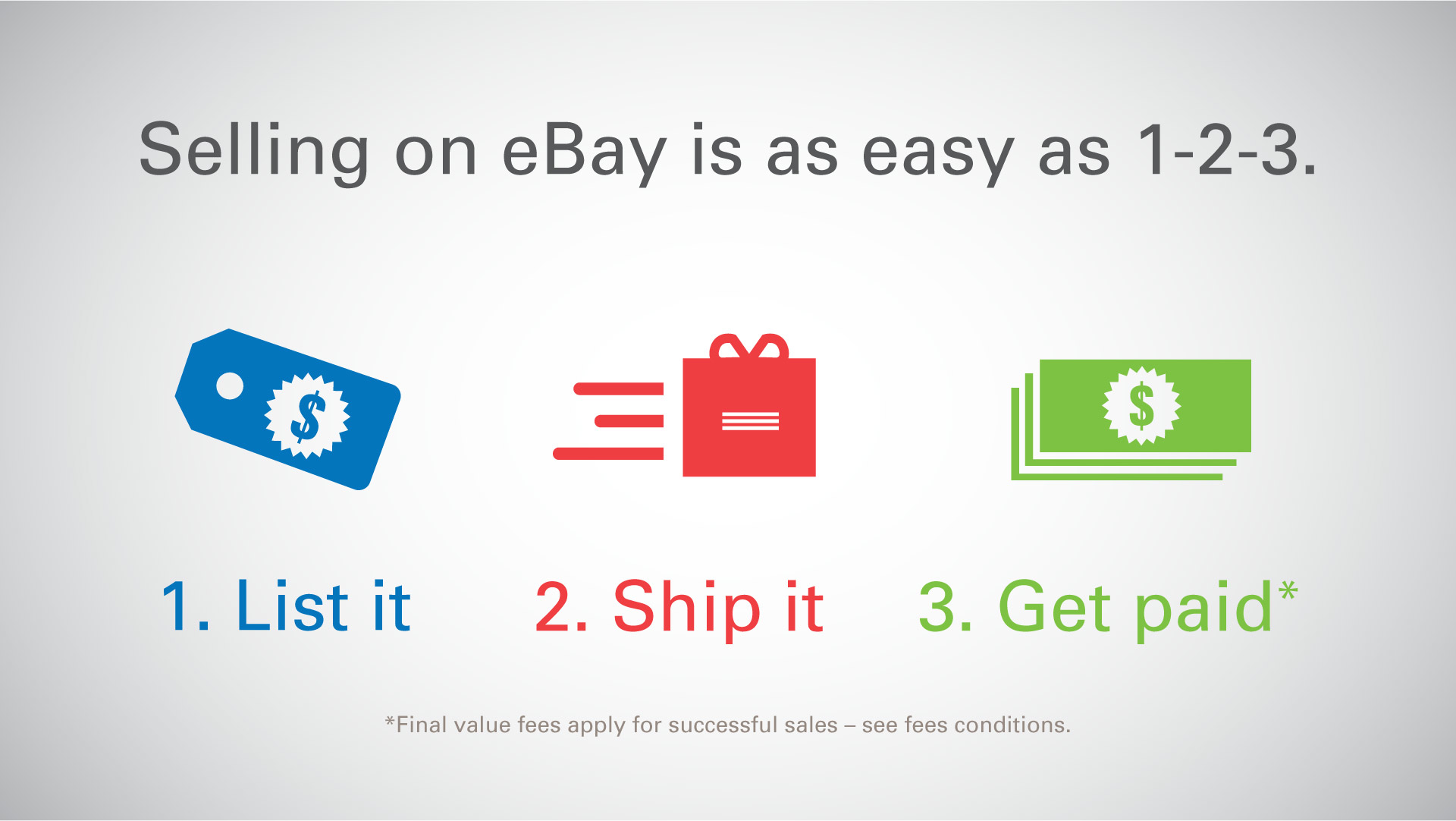
Using eBay & PayPal in Schools.
We are regularly contacted by schools that are considering using eBay to purchase or sell items, to ask if Internal Audit has any guidance or procedures that we can provide them with.
We have no specific guidance as such on the use of eBay and whilst we are broadly in support of using this it is for each school to determine its own procedures for use and to be mindful of the potential risks involved. Sensible eBay trading can give the school cost efficiencies on purchases made, whereas eBay’s electronic auction mechanism can ensure “best price” is obtained on sales.
It is also recommended that the school seeks formal approval from its Finance Committee to use eBay, providing them with details of the controls in place to control its use and to minimise any risks.
There is a great deal of information contained both on eBay and PayPal websites which provide advice on how to minimise risk associated with using these. Schools should familiarise themselves with this information.
It is understood that eBay offers an eBay Buyer Protection where payments are made using PayPal, hence this would be the sensible method for making payments. For more information please see the attached link:
Below are a few points you need to take into consideration before actively using eBay and PayPal:
- Any accounts for using eBay will need to be set up as business accounts in the name of the school as opposed to personal accounts.
- There should be no personal sales or purchases through the school’s eBay account.
- If using PayPal, accounts will need to be linked to the School Payment Card. Consider how the school will account for any purchases / sales. Ensure there are prompt reconciliation procedures in place to identify any possible fraudulent transactions at an early stage. We understand that payments made using PayPal are secure but you should ensure that you refer and adhere to the specific terms and conditions.
- Payment for goods will ordinarily be required before goods have been received, (although PayPal may provide some form of recompense where goods are not received). This heightens a school’s exposure to risk. Make purchases through reputable traders (i.e. those with significant levels of positive eBay feedback).
- Consider any commission that may need to be paid on any sales from the use of PayPal.
- There will be costs associated with postage and packaging, staff time taking items to the Post Office, collection charges etc which need to be considered.
- Any items sold through eBay should be advertised as ‘sold as seen’ to avoid any comeback on the school. Consider what you would do if buyers wanted to return goods that they felt were not of merchantable quality.
- Consider also what would happen should goods you have sold not be received by the buyer – do you need to take out insurance to cover this.
- When selling ICT equipment ensure that all data and software has been completely removed by a suitably qualified IT professional. The serious implications should personal data be made public have been widely publicised, as are the risks of transferring software licensed to the school to a third party (e.g. Microsoft products). Pupil and other personal / sensitive data must never be compromised.
- If purchasing from abroad be aware of import duties / delivery charges which may mean the goods would have been cheaper if purchased from the UK.
- VAT will also generally need to be accounted for on sales - contact Bev King, Taxation Co-ordinator (bev.king@leics.gov.uk – 0116 305 7670) if you require any advice.

No comments :
Post a Comment